

Facilities Maintenance
Announcement
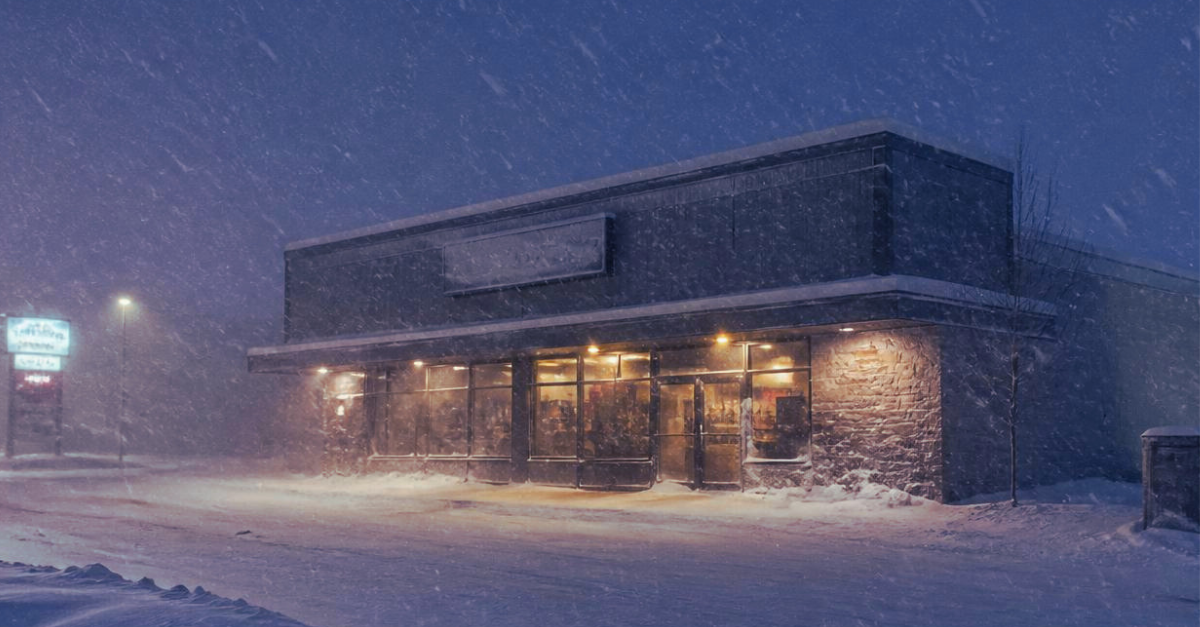

A single missed plow cycle at one location can cascade into tenant complaints, liability exposure, and emergency spending across your entire portfolio. For facility managers overseeing dozens or hundreds of commercial properties, commercial snow and ice management reliability isn't a convenience. It's an operational requirement tied directly to safety and budget control.
Case supports over 35,000 sites across the U.S. and Canada with a layered service model built specifically for multi-site complexity. Below, we break down eight factors that cause snow management programs to fail at scale, along with practical steps to address each one.
Winter storms don't wait for staffing plans to catch up. The commercial snow and ice management industry faces persistent labor gaps that worsen each season as experienced operators retire and recruitment lags behind demand.
For multi-site operators, crew shortages translate directly into delayed plowing, missed de-icing windows, and unsafe conditions at high-traffic locations. This risk multiplies across portfolios spanning dozens or hundreds of properties.
Relying on separate local contractors at each location introduces unpredictable variability. One vendor may respond promptly while another goes unreachable during peak storm hours.
Without centralized oversight, facility managers spend hours chasing updates instead of focusing on safety outcomes. Miscommunication between dispatch teams compounds delays and leaves parking lots, walkways, and entrances uncleared.
Many organizations set their winter maintenance budget based on historical snowfall averages rather than planning for above-average seasons. When heavier-than-expected storms arrive, overruns force emergency spending or service reductions mid-season.
A 2026 CRE Insight Journal analysis found that slip-and-fall liability costs have increased approximately 16 percent annually over the past five years. Underfunding winter operations doesn't save money. It shifts costs into liability claims, property damage, and tenant dissatisfaction.
-1.png?width=600&height=450&name=Phone%20Images%20(1)-1.png)
If you manage 50, 200, or 1,000 sites, confirming that each property received timely snow removal becomes nearly impossible without technology. Phone calls and manual check-ins don't scale.
Operators without live service tracking rely on trust alone. That approach breaks down during high-volume storm events when accountability matters most. Case FMS solves this with proprietary technology that logs and validates service at every site in real time.
A plowing trigger of two inches at one site and four inches at another creates confusion for field crews and uneven results for property managers. Regional variation in standards often goes unaddressed until complaints surface.
Standardized, site-specific service plans eliminate this inconsistency. Each property needs a documented scope that defines trigger depths, priority zones, de-icing protocols, and completion timelines.
Storm response involves property managers, dispatch teams, field crews, and vendors. When communication channels break down or lack structure, decisions stall and sites go unserviced during critical hours.
Proactive communication protocols, including pre-storm coordination calls and real-time status updates, keep all parties aligned. Case builds this transparent reporting into its operations through centralized dashboards and automated alerts.
Waiting until October to secure snow removal contracts means competing for limited contractor capacity. By that point, the most experienced and well-equipped crews are already committed to other portfolios.
Early planning ensures priority access to vetted service partners, allows for site assessments, and locks in contract terms that protect your budget. Facilities teams that plan in Q2 or Q3 consistently outperform those scrambling in fall.
Hiring snow removal vendors based on price alone often leads to underprepared crews operating outdated equipment without proper insurance coverage. When incidents occur, the property owner carries the liability.
Thorough vetting includes verifying insurance limits, equipment capabilities, safety records, and staffing depth. Case FMS maintains a network of over 25,000 pre-vetted service partners backed by regional field managers who monitor quality on-site.
Reliability in commercial snow and ice management doesn't happen by accident. It requires intentional planning, technology-driven accountability, and a service model designed for the scale and complexity of multi-site operations.
Case FMS delivers consistent, verifiable snow and ice management across 35,000+ sites in the U.S. and Canada. Our layered service model pairs regional field managers, a vetted national vendor network, and proprietary tracking technology to keep your properties safe and operational during every storm event. Connect with our team to build a winter plan that holds up when conditions get tough.
Labor shortages, uncoordinated vendor networks, and lack of real-time tracking are the primary drivers. When storm events hit multiple regions simultaneously, overstretched contractors prioritize certain sites over others. Centralized dispatch and rapid-response field teams reduce these delays.
Setting winter budgets based on average snowfall leaves you exposed during heavy seasons. Unexpected overruns force mid-season service cuts, increasing slip-and-fall liability. Planning for above-average conditions creates a buffer that protects both safety and spending stability.
Unvetted contractors may lack adequate insurance, reliable equipment, or sufficient crew depth. If a contractor fails to perform, liability often falls back to the property owner. Pre-qualified vendor networks reduce this risk significantly.
Technology enables real-time service validation, GPS-tracked completion, and automated reporting. Case FMS uses its proprietary platform to confirm service at each site as it happens, giving facility managers instant visibility across their entire portfolio.
Establish pre-storm coordination calls, designate emergency contacts, and use centralized dashboards that update in real time. Structured communication protocols eliminate guesswork and keep all stakeholders informed from dispatch through completion.
Start in Q2 or Q3 to secure experienced service partners, complete site assessments, and finalize contract terms. Early planning ensures priority access to crews and equipment while protecting your budget from last-minute rate increases.