

Facilities Maintenance
Snow Removal
Technology
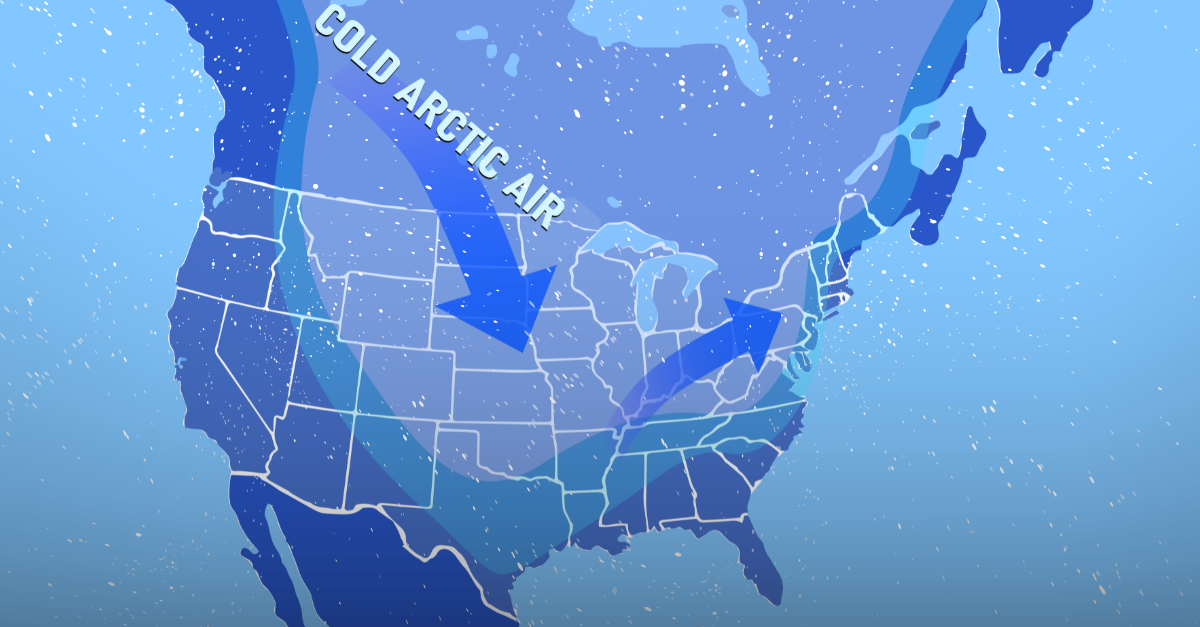

Companies struggle with commercial snow and ice management reliability because many rely on reactive service models, limited local coverage, and a lack of real-time visibility during weather events. True reliability comes from proactive planning, dense local service networks, technology, and contingency resources that keep service consistent when conditions change.
As commercial portfolios expand, maintaining consistent snow and ice service becomes increasingly complex. Different site requirements, changing weather conditions, and managing dozens—or even hundreds—of local providers require a coordinated operating model, technology, and contingency planning to deliver reliable service across every location.
Spring – Evaluate & Plan
Review the previous season, identify service gaps, and begin evaluating providers while the strongest partners still have capacity.
Summer – Select Your Service Partner
Finalize vendor selection early to secure dedicated local resources, establish contingency coverage, and begin planning for the upcoming season.
Late Summer / Early Fall – Site Walks & Scope Review
Conduct site visits to confirm priority areas, update snow maps, review service expectations, identify potential hazards, and ensure every location has a clear operational plan.
Early Fall – Finalize Contracts & Prepare for Winter
Complete contract execution, confirm communication protocols, verify service documentation, and ensure all sites, providers, and response teams are ready before the first forecasted storm.
.jpg?width=4032&height=3024&name=Rory%20Braun%20(2).jpg)

| Reliable Programs | Unreliable Programs | |
|---|---|---|
| Planning | Pre-season site walks, documented priorities, snow maps, and contingency plans are completed before winter. | Planning begins after storms are forecasted, with limited preparation and unclear site expectations. |
| Communication | Dedicated points of contact, proactive updates, and rapid issue resolution keep stakeholders informed. | Reactive communication, delayed responses, and unclear ownership create uncertainty during weather events. |
| Documentation | Detailed site maps, service requirements, completion verification, and historical records support consistent execution. | Limited documentation leads to inconsistent service and confusion across locations and providers. |
| Staffing | Dense local service partner networks, backup providers, and regional support ensure operational resilience. | Overextended providers with limited backup resources struggle to maintain service during widespread storms. |
| Visibility | Real-time monitoring, service tracking, weather intelligence, and completion reporting provide full operational transparency. | Little visibility into service progress makes it difficult to identify issues or respond before they escalate. |
Reliable snow and ice management depends on the strength of the operating model behind it, not the severity of a storm. Organizations that invest in planning, communication, visibility, and contingency resources are better equipped to deliver consistent service across every location, even during the most challenging winter events.